
Smart Cross‑Selling: A Marketing‑Led Approach to Expanding Client Value
The marketing landscape is shifting faster than ever, and 2026 is poised to bring another wave of transformation. New technologies, evolving customer expectations, and increasing competition are reshaping how brands communicate, differentiate, and grow. Businesses can no longer rely on last year’s playbook or short‑term tactics. They need clarity, direction, and a plan that anticipates what’s coming next.
That’s where a 2026 marketing roadmap becomes essential. Before diving into the specifics, it’s important to understand why looking ahead and planning with intention will determine which brands stand out and which ones get left behind.
Why a 2026 Marketing Roadmap Matters
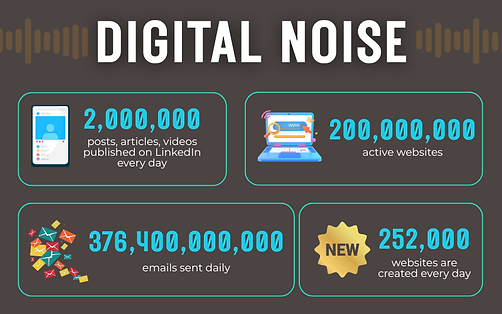
Developing a 2026 marketing roadmap is vital for proactive business growth. Without a forward-looking plan, companies risk falling behind and get lost in the digital noise.
Here's Why Your Business Needs a Solid Roadmap
-
Creates Strategy Clarity
-
Aligns Marketing With Business Goals
-
Protects the Budget
-
Improves Efficiency and Reduces Waste
-
Sharpens Messaging and Differentiation
-
Enables Better Measurement
-
Future-Proofs the Brand
-
Aligns Teams and Eliminates Internal Friction
What Your Marketing Roadmap Needs
Data, AI, and Analytics
Data lies at the heart of any successful marketing strategy. Leveraging data analytics allows businesses to understand their audience on a deeper level. It reveals insights into consumer preferences and behaviors.
Artificial intelligence plays a significant role in this process. AI can analyze vast amounts of data efficiently. This analysis helps in crafting personalized marketing campaigns that resonate with individual customers.
To establish a strong foundation, businesses should:
-
Invest in robust data analytics tools.
-
Incorporate AI for predictive insights.
-
Train staff to utilize these technologies effectively.
A strong data and AI foundation ensures your marketing roadmap stays relevant. It empowers decision-making and leads to more targeted marketing efforts.
Personalization, Customer Experience, and Omnichannel Approaches
In 2026, personalization isn’t just a competitive advantage; it’s the baseline expectation. Today’s customers want brands to recognize their preferences, anticipate their needs, and deliver experiences that feel intentionally crafted for them. Companies that succeed are the ones that invest in understanding these expectations and responding with precision.
A standout customer experience is built on meaningful, data‑driven interactions. When businesses use customer insights to deliver relevant content at every touchpoint, they create moments that feel effortless and intuitive. This level of relevance not only boosts satisfaction but also strengthens long‑term loyalty.
Omnichannel strategies tie it all together. A seamless experience across platforms ensures customers can move fluidly between channels without losing context or consistency. To achieve this, businesses should:
-
Integrate customer data from every available source to build a unified view.
-
Maintain consistent messaging, tone, and value across all channels.
-
Leverage technology - AI, automation, and real‑time analytics - to personalize interactions at scale.
When personalization, customer experience, and omnichannel execution work in harmony, brands create the kind of frictionless journeys customers remember and return to.
Key Channels and Tactics
Marketing in 2026 is defined by precision, agility, and the ability to meet customers exactly where they are. While the fundamentals remain, the channels and tactics that win are those that blend data, creativity, and seamless technology. Here are the areas commanding the most attention this year:
1. AI‑Enhanced Email Marketing
Email continues to be a high‑ROI channel, but the difference in 2026 is intelligence. AI‑driven segmentation, predictive send‑times, and dynamic content blocks allow brands to deliver hyper‑relevant messages that feel handcrafted for each subscriber. Automated nurture paths now adapt in real time based on behavior, not static rules.
2. Social Media With a Human Edge
Authenticity is currency. Leaders and brands that show personality - humor, vulnerability, behind‑the‑scenes moments - see stronger engagement. Short‑form video remains dominant, but long‑form storytelling is resurging as audiences crave depth. Community‑driven content, creator partnerships, and interactive formats (polls, Q&As, live sessions) continue to outperform static posts.
👇If you're a B2B and wonder if social media is worth it, this article is for you! 👇
3. Search and SEO for the AI Era
Search behavior is shifting as AI assistants become the first stop for answers. Winning in 2026 means optimizing not just for keywords, but for conversational queries, intent, and structured data. Brands that invest in high‑quality, authoritative content and technical SEO gain visibility across both traditional search engines and AI‑powered discovery tools.
4. Paid Media With Smarter Targeting
Privacy changes have reshaped targeting, but not diminished its power. First‑party data, contextual advertising, and AI‑driven lookalike modeling help brands reach the right audiences without relying on third‑party cookies. Creative variation testing, especially in video, remains essential for maximizing performance.
5. Content That Educates and Converts
Thought leadership, case studies, and interactive content (calculators, quizzes, configurators) are increasingly influential in B2B and B2C buying journeys. Customers want clarity and confidence, not fluff. Brands that simplify complex topics and provide actionable insights earn trust faster.
Sustainability, Ethics, and Brand Trust
In 2026, consumer expectations will gravitate heavily towards sustainability and ethics. Aligning marketing strategies with these values can significantly boost brand trust. Consumers are more inclined to support brands that demonstrate responsibility.
86% of customers believe businesses should use their resources to improve society and the environment Source: RetailCustomerExperience.com
To enhance brand trust, consider the following sustainable practices.
-
Implement eco-friendly operations.
-
Prioritize transparency in supply chains.
-
Engage in ethical marketing campaigns.
These approaches not only enhance customer loyalty but also differentiate your brand. By embedding sustainability and ethics into your marketing strategies, you're better positioned to gain and maintain consumer trust.
Setting Measurable Goals and KPIs
Setting clear goals is vital for marketing success. In 2026, measurable objectives will guide strategies effectively. They provide direction and a means to track progress.
Consider the following when setting goals:
-
Define specific, attainable objectives.
-
Ensure they align with broader business aims.
-
Establish Key Performance Indicators (KPIs) to evaluate outcomes.
These steps will help you maintain focus and assess your strategies critically. Regularly reviewing and adjusting your goals will ensure they remain relevant in an evolving market landscape.
Staying Agile: Testing, Learning, and Adapting
In the fast-paced world of 2026, agility is a must. Markets shift quickly, demanding flexibility. An agile approach allows businesses to pivot swiftly when needed.
Focus on continuous improvement through testing and learning. Key strategies include:
-
Conducting regular A/B testing.
-
Gathering and analyzing customer feedback.
-
Embracing a mindset of experimentation.
These practices foster innovation and resilience, enabling you to adapt and thrive amidst change.
Creating Your 2026 Marketing Roadmap
Creating a 2026 marketing roadmap requires deliberate planning and foresight. Start by aligning your marketing objectives with broader business goals. This alignment ensures coherence and direction in your strategies.
Next, prioritize flexibility and adaptability. Build a roadmap that accommodates shifts in market trends. Consider the following key action steps:
-
Conduct a SWOT analysis for insights.
-
Set clear and measurable objectives.
-
Establish key performance indicators (KPIs).
Finally, foster an environment of collaboration and continuous learning within your team. Encourage open communication and knowledge-sharing to spark innovative ideas and maintain momentum.